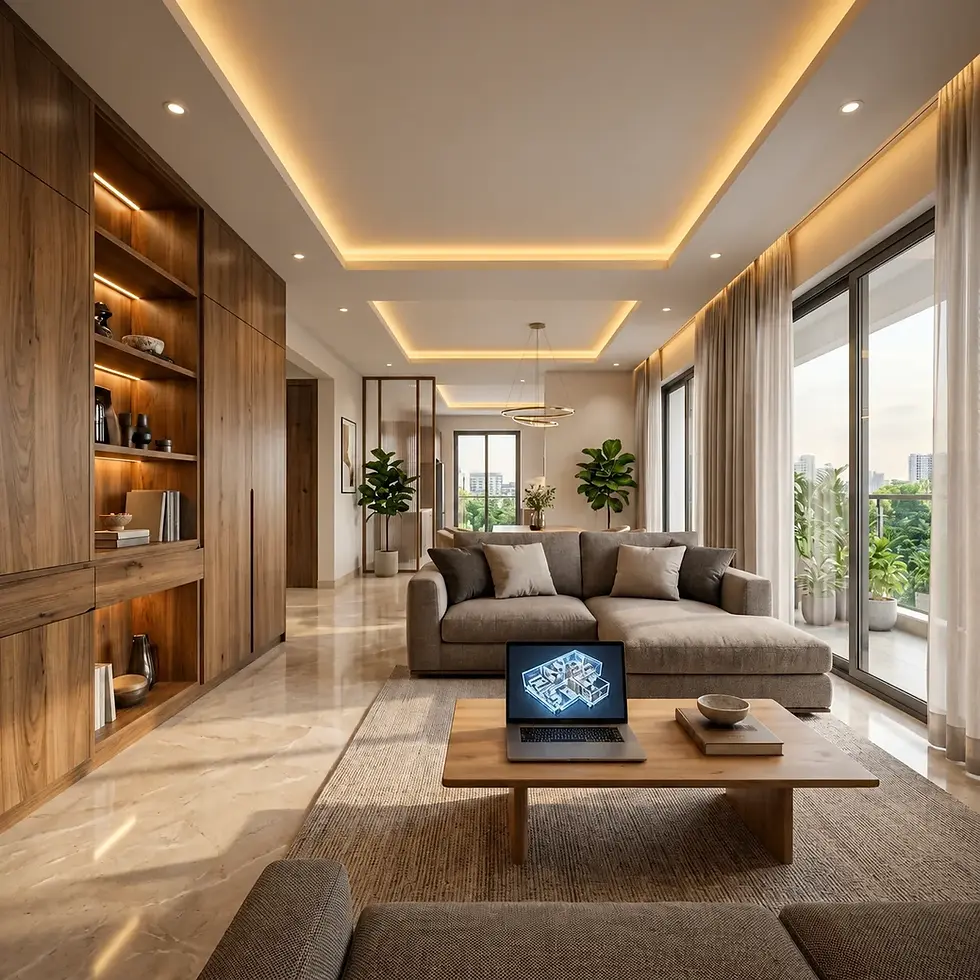
Luxury Bedroom Interior Design Ideas for Modern Indian Homes


Luxury in contemporary Indian bedrooms isn’t defined by ostentation; it's defined by purposeful design, refined materiality, spatial comfort, and thoughtful lighting. With evolving lifestyles, urban density, and climatic considerations, luxury bedrooms today must balance aesthetic richness with practical comfort.
In this post, we explore premium interior design ideas for modern Indian bedrooms informed by years of professional experience working with high-end residential interiors design in cities like Bangalore. These concepts will help you design spaces that feel both sumptuous and serenely livable.
1. Embrace Layered Lighting for Ambience and Function
Lighting is often the most overlooked aspect of bedroom luxury. A truly elevated lighting plan combines:
Ambient lighting: Ceiling-mounted LED strips or hidden cove lights that create an even base glow.
Task lighting: Adjustable bedside lights or reading lamps.
Accent lighting: Concealed lights behind textured walls or alcoves that highlight materials.
Night lighting: Soft concealed lighting for a calm, low-glare nighttime environment.
Rather than relying on a single centerpiece fixture, layering light allows you to tailor the room’s mood from morning clarity to restful evening warmth.
2. Prioritize Bespoke Joinery for Seamless Luxury
In luxury bedroom design, joinery isn’t just storage, it's architecture. Custom built-ins help maintain a clean, uncluttered visual flow across the space. Examples include:
Integrated walk-in wardrobes that blend with wall planes
Custom headboards that anchor the room
Concealed drawers and cubbies optimized for daily routines
Built-in seating or window nooks
Instead of standard off-the-shelf furniture, bespoke joinery elevates both function and aesthetics.
3. Select Climate-Resilient Materials for Indian Conditions
India’s climate with swings in humidity, heat, and dust should influence your material palette.
Consider:
Humidity-resistant woods and matte finishes for long-lasting durability
Breathable upholstery fabrics that stay comfortable in warm weather
Natural stone accents for understated elegance
Avoiding high-gloss synthetic surfaces that can warp or discolor over time
Luxury interiors aren’t just about how they look, they're about how they age gracefully in local conditions.
4. Integrate Vastu Principles Mindfully
Many Indian homeowners prefer to incorporate Vastu elements into bedroom design without diluting contemporary aesthetics.
Key alignments often include:
Placing the bedroom headboard towards the south
Orienting natural light or windows towards the north
Ensuring free circulation around the bed
When Vastu principles are integrated early in the planning stage, they support spatial harmony rather than become design constraints.
5. Create Zones Within the Bedroom
Luxury bedrooms are no longer single-use spaces. Thoughtful zoning helps optimize comfort and utility.
Consider creating:
A sleep zone with layered lighting and sound-softening wall finishes
A wardrobe zone with organized storage and ambient lighting
A relaxation nook with seating by a window or feature wall
A work or vanity area with practical lighting
Well-defined zones make a bedroom feel spacious and luxurious even when square footage is limited.
6. Texture and Material Layering: The Secret to Depth
Rather than bold above-all else color schemes, refined layering of textures gives richness to a bedroom.
Try combinations like:
Fluted wood panels with soft fabric walls
Natural stone accent slabs with warm timber tones
Soft layered rugs to ground the room
Luxury spaces aren’t loud; they're sensory and tactile.
7. Signature Elements That Elevate Modern Luxury
Certain design elements consistently elevate bedroom interiors:
Custom Headboard Statements
Not generic, but tailored to space and lighting, headboards set the tone for the room.
Concealed Lighting and RGB Accents
Subtle lighting enhances mood without distraction.
Integrated Smart Storage
Clutter-free spaces feel inherently more luxurious.
Premium Accents
Elements like natural stone nightstands or artisanal wood finishes enrich the space.
Spatial Transformation and Design Thinking
Let’s explore two design scenarios that highlight how thoughtful interior design elevates bedroom spaces without relying on brand or firm identity.
Bedroom with Challenging Proportions
In many urban homes, bedrooms might have unconventional dimensions that feel awkward or cut off usable flow.
Design Approach:
Use vertical design elements like fluted wall panels to visually elongate a short wall.
Introduce recessed cove lights to soften edges.
Reconfigure wardrobe placement to open pathways around the bed.
Outcome: The space feels lighter, more functional, and visually balanced.
Compact Urban Bedroom with Height Constraints
Low ceilings in urban apartments can make a room feel claustrophobic.
Design Approach:
Add mirrored wardrobe fronts to visually expand the room.
Install layered LED lighting to draw the eye upwards.
Keep furniture minimal and proportionate.
Outcome: The bedroom feels brighter, taller, and more inwardly calm akin to premium hospitality spaces.
Trends vs Timeless Design Investments
Trendy But Overdone
All-grey minimalism while currently popular can feel cold and impersonal in Indian homes.
Truly Worth Investing In
Artisanal woodwork
Biophilic design with select greens
Layered lighting
Textured panels and premium materials
Luxury that stands the test of time is grounded in material depth, comfort, and spatial intelligence not fleeting trends.
Common Luxury Bedroom Design Mistakes to Avoid
Overcrowding furniture: makes the space feel smaller
Ignoring wardrobe integration early: leads to last-minute clutter
Relying on decorative lighting only: fails functional needs
Treating the bedroom as isolated from overall circulation: disrupts spatial harmony
Remember: Luxury is about thoughtful reduction not addition.
Conclusion: Design Bedrooms That Feel Personal and Refined
A luxury bedroom in a modern Indian home is more than just an aesthetic statement; it's a personal haven that supports rest, routine, and repose.
Design with intention. Choose materials that endure. Layer your lighting for everyday life. And remember that luxury isn’t loud, it's quietly confident, deeply considered, and richly textured.
If you want to take these ideas further with practical layouts, mood boards, or material palettes tailored to your space, just ask. I'd be glad to help.